Noah’s Ark Discovery: Will We Heed Jesus’ End-Times Warning?
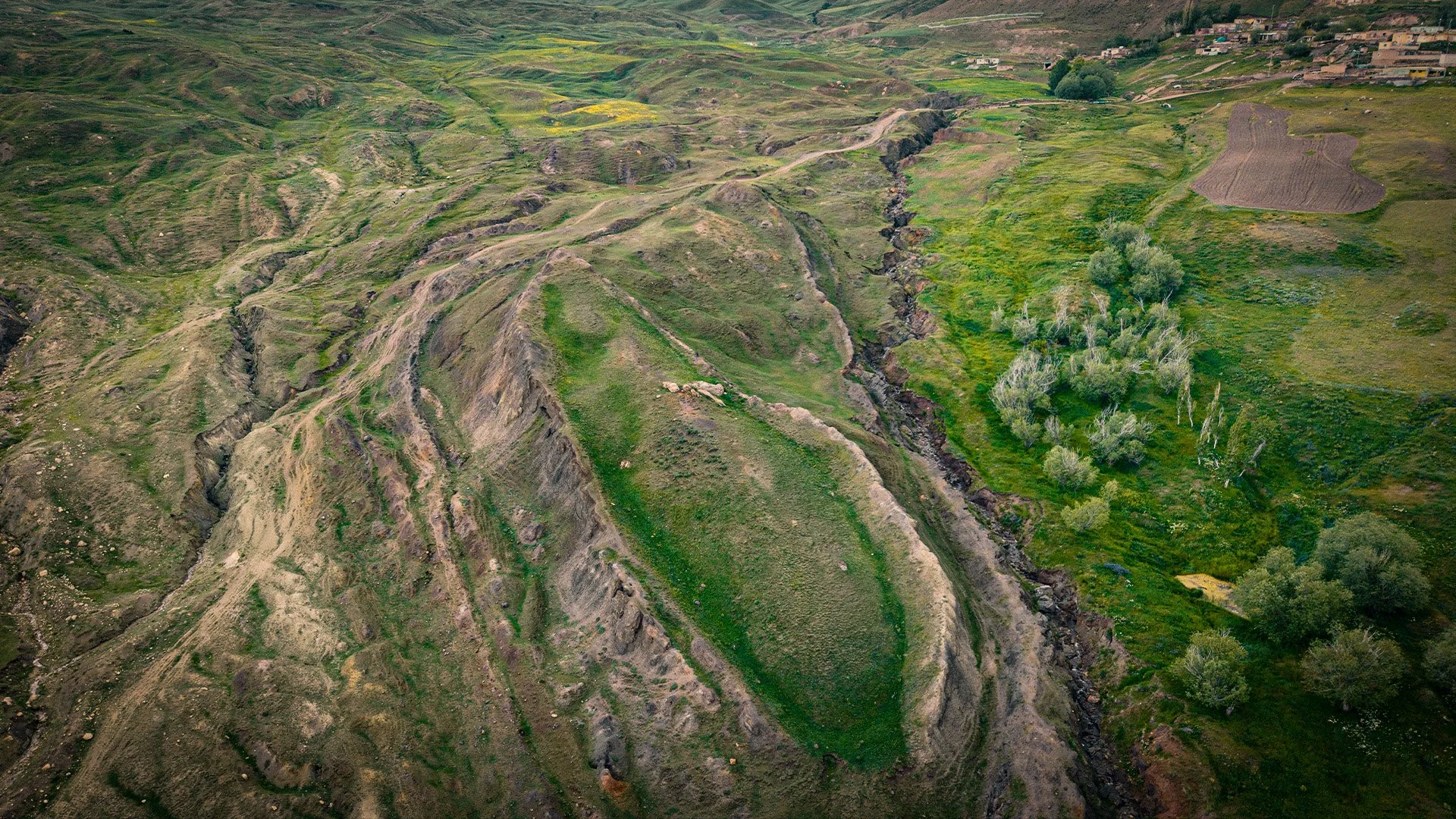
Researchers in Turkey report drilling over 60 feet below a possible Ark site and gathering more than 300 soil samples.
Andrew Jones says drilling at over 12 spots found no bedrock, or solid rock below the soil. Lab tests are still pending.
Fox News reported these results on October 2 and October 3. The team is studying a boat-shaped site called Durupınar. In its own research update, Noah’s Ark Scans said it took samples from inside and outside the shape. Tests will help the team compare them and learn what lies below the ground.
Jones says the results challenge claims that the site is a solid rock formation. The work has not yet confirmed the Ark’s discovery, but it gives researchers fresh evidence to study.
The news also gives us a reason to open our Bibles. Jesus spoke about Noah when He taught His followers about His return. Why did He choose that part of history? What did He want us to learn?
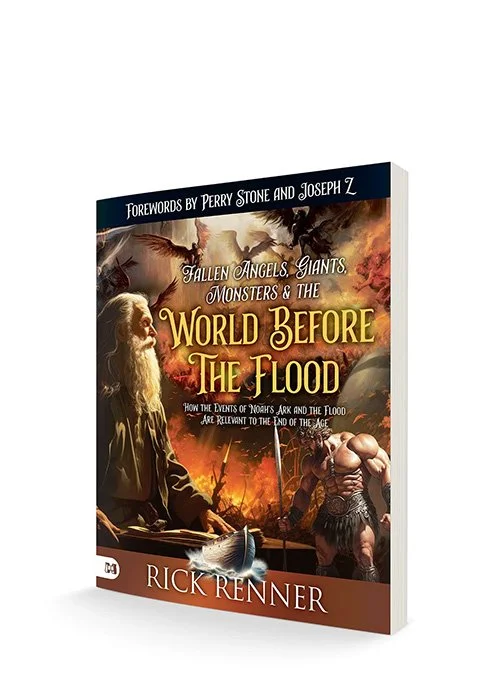
Rick Renner explores those questions in Fallen Angels, Giants, Monsters and the World Before the Flood: How the Events of Noah’s Ark and the Flood Are Relevant to the End of the Age. He looks at the evil that filled Noah’s world, God’s call to turn from sin, and Noah’s choice to obey. He then asks what those events mean for Christians today.
Renner brings years of biblical study and firsthand research to this subject. He traveled to the Durupınar site with his film team, studied ancient records, and examined the work of scientists who have explored it. In the book’s “A Special Message,” Jones describes helping with those visits. Renner explains that this research convinced him the site holds the Ark’s remains. His book brings that fieldwork together with a close study of Scripture to answer a pressing question: What did Jesus mean by “the days of Noah”?
The World Before the Rain
Many of us first heard about Noah as children. We remember the animals, the huge boat, and the rainbow. We may give less thought to why the Flood came. Genesis 6 describes a world full of violence. People’s thoughts were bent toward evil. Their sin grieved God’s heart. This was the world in which Noah heard God’s call and began to build.
Renner asks readers to look closely at the start of that chapter. Who were the “sons of God”? Who were the giants? How do they fit into the account of the Flood?
Renner identifies the “sons of God” as fallen angels who left their assigned places and had children with women. He traces how their offspring, the giants, helped spread violence through the earth. In chapter 6, “What About Monsters?,” he writes:
Make no mistake: The “great wickedness,” “violence,” and “corruption” that filled the whole earth was a direct result of the nefarious activities of the fallen angels and the giants they produced through their illicit sexual unions with earthly women. That is why God saw fit to place all these verses together in the same context with Noah and the Flood.
Renner draws these verses together to explain why the Flood came. His study connects the fallen angels and the giants with the violence that grieved God’s heart. It brings the spiritual conflict behind the account into focus.
This is where the depth of Renner’s research pays off. He brings Genesis, Job, Jude, and 2 Peter into the same study. He draws on ancient historians and early Church writers, with detailed endnotes for further study. He also explores writings outside the Bible, including The Book of Enoch, as ancient commentary on Noah’s world. These accounts help explain his discussion of possible monsters.
The full book gives these difficult subjects the space they need. Readers learn how Renner connects the rebellion of angels with the rise of giants and the spread of violence. Passages that may seem puzzling on their own become part of a sustained study of why God judged that world.
Why Jesus Spoke About Noah
Jesus said, “But as the days of Noe were, so shall also the coming of the Son of man be” (Matthew 24:37, KJV). (“Noe” is the name used for Noah in the KJV.)
Those words give Christians a strong reason to study life before the Flood. Jesus linked Noah’s days to His own return. We should want to understand the link He made.
Renner asks that question in chapter 14, “Did Jesus Prophesy It Will Happen Again?”, studying the Greek words behind the verse. He calls the comparison a “duplicate moment,” meaning that he expects some features of Noah’s world to appear again. He writes:
Taking into account all these meanings from the original Greek text, we can gather from Jesus’ words in Matthew 24:37 that just before He returns — referring both to the Rapture of the Church and to His Second Coming at the end of the Tribulation — the earth will experience some type of bizarre replication of many of the events that were occurring in the days preceding the Flood. Since God has tagged us to live in this closing season of this age, it is highly likely we will see some of these evil replications.
Renner connects this warning with the Rapture, when Christ gathers His Church, and His Second Coming at the end of the Tribulation. He explains the Tribulation as a time of great trouble and judgment. His purpose is to help believers understand what Jesus told them to watch for.
Renner teaches that the warning reaches beyond the sudden arrival of judgment. It also points to the return of forms of evil seen in Noah’s day. The chapter looks at six features of that ancient world. Among them are violence and involvement with dark spiritual powers.
The urgency comes from Jesus’ words. He called His followers to watch and be ready, though they would not know the day of His return. The renewed Ark search brings those words before us again. We can act on them now.
The Danger of Going On As Usual
Some of the details in Renner’s book may seem far from daily life, but Jesus’ next words bring the warning much closer.
In Matthew 24:38–39, Jesus describes people eating, drinking, and marrying before the Flood. Life went on until the day Noah entered the Ark. People made plans while judgment drew near.
Renner explains the danger in chapter 15:
The use of Jesus’ words “for as” indicates that just as the people before the Flood heard Noah’s righteous preaching and continued living sinful lives — nonchalant in their attitude toward Noah’s preaching and the things of God — people at the end of the age will also shrug off warnings of a judgment to come. Specifically, Jesus said that before the Flood, they were “eating and drinking, marrying and giving in marriage.”
“Nonchalant” means acting as though there is no cause for concern. Renner sees that attitude as a warning for us. People can hear God’s message and still live as if it does not matter.
That thought should make us pause. We can be excited about news of the Ark and still put off doing what God asks. We can know Bible stories, but refuse to change. We can talk about Jesus’ return while giving little thought to how we live today. It’s important we move from interest in the past to questions about our own lives. Is there a sin we keep excusing? Have we ignored something God has made clear? Are we willing to obey even when others do not?
Jesus’ warning about a careless heart may be the part we most need to hear.
God Gives People Time to Turn
The Flood is both an account of judgment and an account of God’s mercy. Renner looks at Genesis 6:3. Renner explains the 120 years as a period God gave people to turn from sin before the Flood. He connects this with other passages about God’s patience.
His message is clear in this passage from chapter 8:
The need for repentance — a 180-degree turning to Christ and a change in one’s previous manner of life or behavior — is as critical today as it was in the days of Noah. God asks for this turning to Christ from a wicked generation in order to save them from eternal damnation in hell. Contrary to the thinking of many today, repentance is a gift that brings rewards in this life and in the life to come. God patiently waits for the unsaved, as well as the erring believers, to turn to Him because He loves mankind and because His love is longsuffering, patient, and kind (see 1 Corinthians 13:4; James 5:7).
Repentance means turning from sin and turning to God. “Longsuffering” means patient, even when people keep doing wrong. Renner’s point is that God gives people time because He loves them. His warning gives them a chance to respond.
That changes how we should speak about judgment. We should want people to find forgiveness and life in Christ. God’s patience is a reason to turn to Him now, not a reason to put it off.
It also changes how we might use the Ark news. A friend may ask whether the site is real. That could lead to a talk about why the Flood came, why Noah trusted God, and why we need a Savior. Renner points readers to 1 Peter 3:15, which calls believers to be ready to explain their hope.
What It Means to Be Ready
Noah heard God’s warning and acted. Genesis 6:8 says he found grace in God’s eyes. Verse 22 says he did what God told him to do. His faith shaped his choices.
In chapter 9, “A Flood to Cleanse the Earth,” Renner writes:
Noah and his family demonstrate how God has always and will always have a remnant set apart for Himself. Even in the midst of extremely corrupt generations in Noah’s day, there was still a remnant of people who had kept themselves pure and continued to walk with God.
A “remnant” is a small group that remains faithful. Noah and his family show that we can follow God even when the world around us rejects Him. We do not have to let others decide how we will live.
Noah’s trust led to work. He built the Ark, gathered food, and entered when God told him to. He did not treat God’s words as facts to learn and then forget. He ordered his life around them.
That is the kind of response the book urges from Christians. In chapter 15, Renner points to Jesus’ commands to watch and be ready (Matthew 24:42–44). We prepare by taking God seriously in the lives we lead now. We turn from sin, obey His Word, and share the hope of Christ.
This is what makes Renner’s book a must-read for Christians who want to understand Noah’s days and their link to Christ’s return. It takes readers through hard passages and asks them to face a personal question: How should this change the way I live?
The Ark search deserves our attention. Jesus’ warning deserves our response. Read Fallen Angels, Giants, Monsters and the World Before the Flood with your Bible open. Follow Renner’s study through the Scriptures and take its call to faithful living to heart. Let the news lead you to a deeper grasp of His Word and a life that is ready to obey Him.
Do You Have Questions About the World Before the Flood? Does the Bible Really Explain the 'Unexplainable'?
Are we really living "in the days of Noah" as some prophets have said?
How are the events of Noah's Ark and the Flood relevant to the last days?
Are rebellious, fallen angels masquerading as aliens and UFOs today?
In this book, Rick Renner — historian and Bible teacher with extensive knowledge of New Testament Greek — clears up some rampant erroneous theories while uncovering brand-new revelations from the Bible. He uses archaeological findings, the writings of Church fathers, trusted historical documents,and Scripture to answer these and other questions, such as:
When was the first recorded rapture? What does it tell us about the rapture of the Church?
Are the "sons of God" in Genesis and the fallen angels the same thing?
Who were the watchers God assigned to guard mankind after the Fall?
Was Methuselah’s life a prophetic demonstration of God’s longsuffering that preceded judgment?
What did God’s promise of “120 years” really mean?
Where is Noah’s Ark today? And why did God save only Noah and his family?
Are there any consequences of unholy living today?
Using photos from his own expeditions in the lower Ararat mountains — along with other empirical evidence of the Ark’s location — Rick captivates readers in this book and brings the Bible to life concerning this favorite childhood story. Containing hundreds of photos, illustrations, and endnotes, Fallen Angels, Giants, Monsters, and the World Before the Flood is “a museum in a book” and a must-have edition to refreshand refire your walk with God!